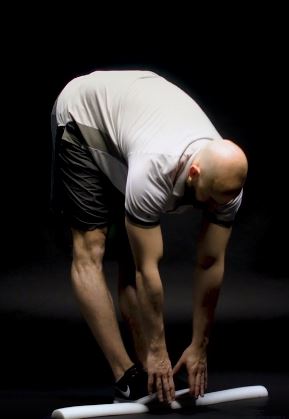
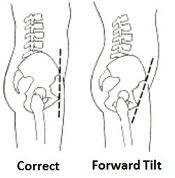
 2. Neural Tension: When the Problem Starts in Your Lower Back 2. Neural Tension: When the Problem Starts in Your Lower Back
The feeling of tightness in the hamstrings can also come from another area, say the lower back or more specifically the discs in the lower back. It is uncommon for those with lumbar disc injuries and degeneration to present with radicular pain, tightness, or numbness/tingling into the lower extremities including the hamstrings. The symptoms might come from nerve entrapment in soft tissue structures further down the extremity. Aggressively stretching the hamstrings with this problem can actually make these symptoms worse. This connection between the lower back and hamstring tightness is a key reason to understand how tight hamstrings contribute to back pain before assuming the hamstring itself is the root problem. As a result it is important to see a medical professional to rule out causes further up with the appropriate clinical exams and necessary tests. 3. Truely Shortened Hamstrings: The Sedentary Lifestyle effect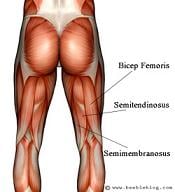
Truly short hamstrings are a result of sustained and prolonged protective tension, and or sustained postures of sitting where the hip and the knee are bent up for a great deal of the day. In this case the fibers of the hamstring muscles (and there are 3 muscles in each leg) are shortened because of protective function and sitting for hours each day. What happens is that the over active hamstring (protective function) is combined with slack on the muscle for hours at a time, and the muscles adaptively shorten. That means the tissues loose length and ACTUALLY become time. This is most common in adult men who are in sedentary jobs like sales, sitting at a desk, drive for hours a day, etc. We see some women and children with this but it is much rarer. Manual therapy with postural rebalancing usually fixes this issue. Restoring that lost length also has a direct payoff on the course—shortened hamstrings disrupt the body’s ability to sequence power efficiently, so understanding the kinematic sequence and swing power can show you exactly what you stand to gain once this issue is resolved. 4. Previous Hamstring Injury: Strains, Tears, and Lingering TightnessWe have seen people who have previous injuries to a hamstring. Strains and tears a common in athletes during competition and training. The strain if not treated well can lead to a “tight” hamstring. The hamstring will feel knotted, and boggy or gunked up where the injury was and that will lead to protective function and shortness. If you have a history of hamstring strain or tear, be careful with passive intense stretching. The muscle might not take it well and pain can show up or return. Manual therapy and postural retraining is a great solution for this problem. Left unaddressed, lingering tightness from old hamstring injuries can directly contribute to swing faults caused by posterior chain tightness—making proper rehabilitation essential for protecting your game. How Tight Hamstrings Affect Your Golf Swing ConsistencyIn summary, your hamstrings are vital in the toe touch. If they are “tight” for any one of these reasons, they will affect the toe touch and your stability and consistency in your golf. In fact, you can see how tight hamstrings limit your downswing rotation in action through a real case study that demonstrates exactly what’s at stake. The good news is that there is a way to assess what is making your hamstrings feel “tight” and then fix that issue for a lasting improvement. If lower back pain is part of the picture, you can also address the lower back pain tight hamstrings cause to unlock even greater strength and consistency in your swing. That is one of the things FitGolf can do for you. Next Steps: Fixing Your Hamstring Tightness for GoodNext week we will begin to fix the hamstring problems reviewed in this tip. In the meantime, you can get a head start with hip mobility exercises to complement hamstring work—these movements address the surrounding structures that directly influence hamstring function and lower body turn. For a more complete corrective program, our hip and core stability exercises for hamstring relief provide the structured re-education work that ties these moving parts together. Please let me know if you have questions by clicking on the button below. Remember if you can touch your toes, the data says you will be more consistent. And if you want to reinforce that consistency from the ground up, learning to protect your lower back with side plank stability is a natural complement to the hamstring work covered here. |